Ferulic Acid


You must have noticed what happens to a sliced apple when you leave it out. It turns brown due to the effects of air (called oxidation). But if you squeeze a little lemon juice on it, it stays fresh longer. The lemon juice acts as a shield.
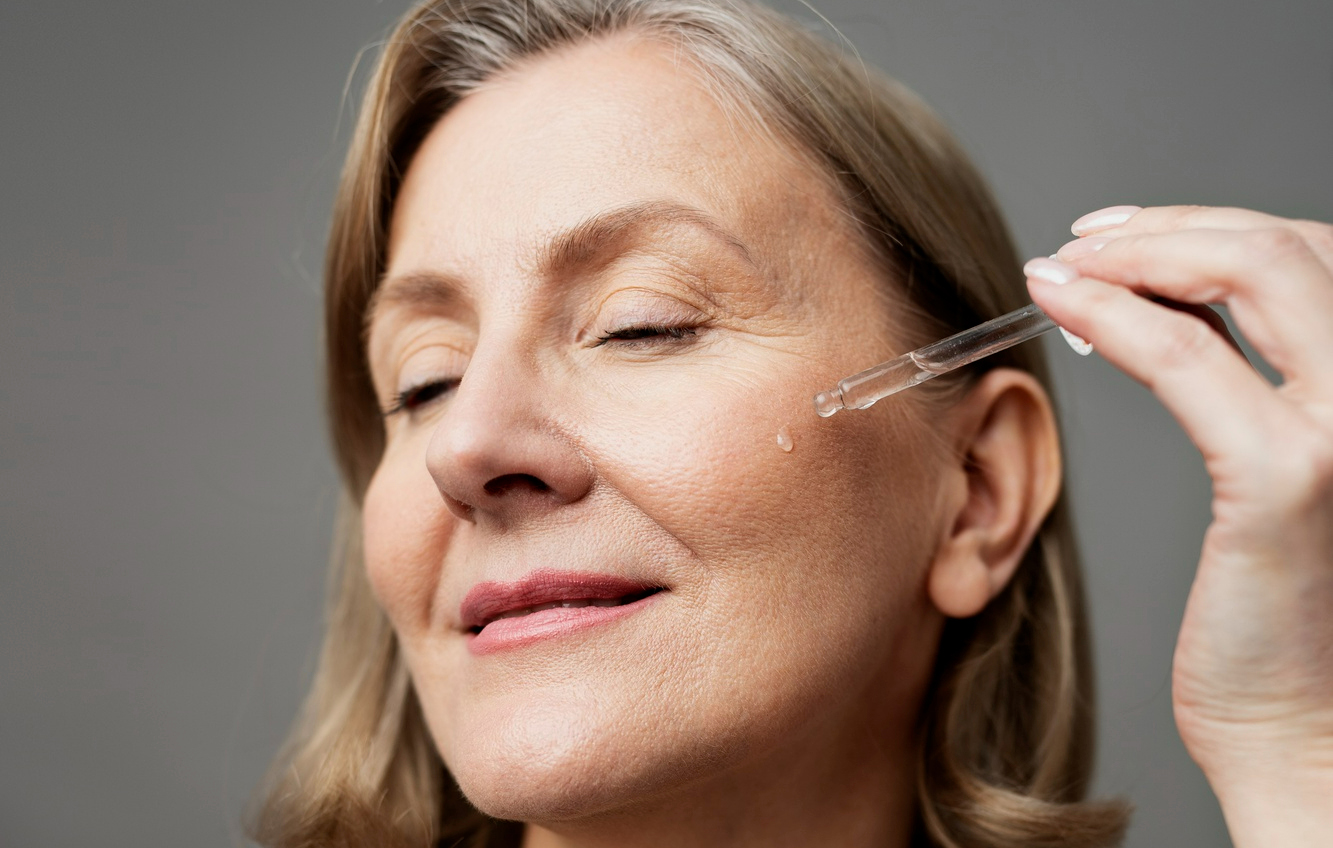
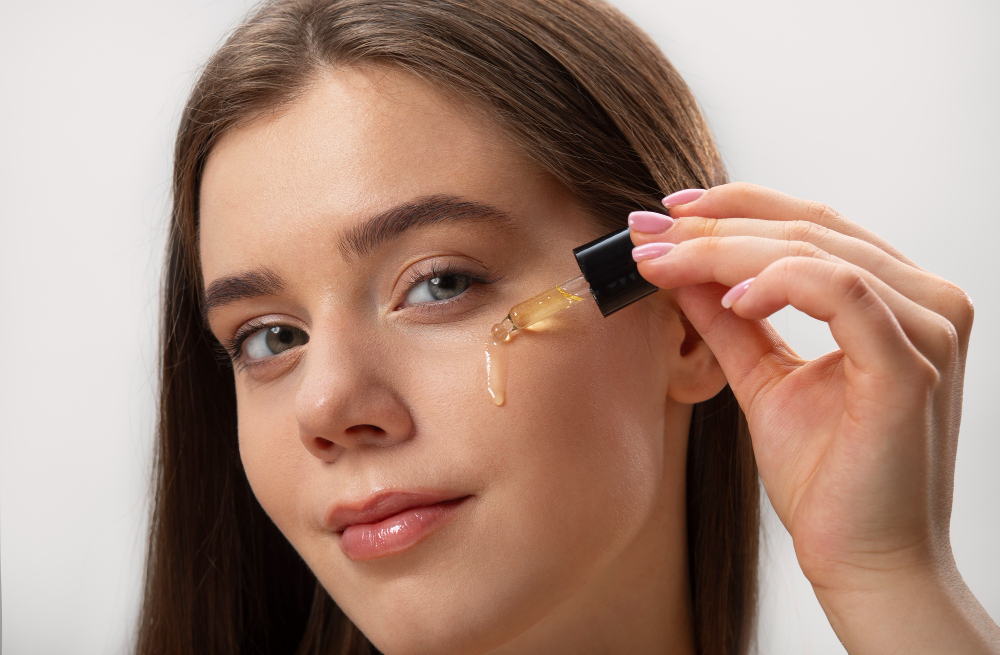
A ferulic acid serum is like that lemon juice for your skin. It’s a special, lightweight skincare product that contains antioxidants and protects your skin from daily damage. This damage comes from something called free radicals. They are tiny molecules formed due to external factors like sunlight, air pollution, stress, and even lack of sleep.
This type of damage due to free radicals plays a major role in how skin changes over time. That is why many people add antioxidant serums to their skincare routine.
Antioxidant serums are concentrated skincare products that help neutralize harmful free radicals and support healthier-looking skin. A well-made antioxidant serum can help reduce signs of aging like wrinkles, discoloration, and dullness.
Think of it like a daily shield for your skin. It does not replace sunscreen, but it can work alongside sunscreen as part of a smart skincare routine.
Free radicals are harmful molecules that can damage skin cells. Over time, this damage can make skin look dull, uneven, and older than it should.
Antioxidants help calm free radicals, so they cause less harm. Using a serum adds extra protection to your skin, especially since sun exposure can lower the skin’s natural defenses.
In simple terms:
Not every antioxidant serum is the same. The ingredients used in the serum matter. Here are the most common antioxidants you’ll find in skincare and why people like them.
A vitamin C serum is one of the most well-known options for antioxidants for the face. Vitamin C helps protect against oxidative stress and is widely used to support brighter-looking skin and more even tone.
Vitamin E is another antioxidant used in skincare. It is often paired with vitamin C because the combination can strengthen antioxidant protection. It also supports the skin barrier, which can matter if your skin feels dry.
Ferulic acid is a plant-based antioxidant often added to vitamin C and vitamin E formulas. A study found that ferulic acid can help stabilize vitamins C and E and improve photoprotection (support against UV-related damage).
This is why many people look for formulas built around a combination of vitamin C, vitamin E, and ferulic acid when choosing an anti-aging serum.
Some formulas add extra antioxidants for specific skin needs:
This is the most important part. The best antioxidant serum is the one that matches your skin type and your main concern.
Look for an antioxidant serum that combines vitamin C, vitamin E, and ferulic acid. These combinations are popular because the ingredients support each other.
Consider formulas that include:
A vitamin C serum is often used for brightening, but your skin still needs time and consistency.
Look for a lighter antioxidant serum for skin that feels non-greasy. Some antioxidant blends are designed to support skin that produces more oil. If you break out easily, avoid heavy oils and look for simple formulas.
Start with a serum that has a lower percentage of Vitamin C. A formula with soothing ingredients and ferulic acid can help protect your skin without causing irritation.
Night is a good time to focus on skin comfort and barrier support. Some people use an anti-aging serum at night and keep their antioxidant serum for mornings. If you do both, keep the routine simple so you can stay consistent.
Most people use an antioxidant serum in the morning because mornings are when your skin faces the most sun and pollution.
A simple morning routine:
This order matters because serums work best on clean skin, and sunscreen should be the last step in the morning. Harvard Health also stresses that topical vitamin C can help fight free radicals, but it should be used with other protective steps like sunscreen.
A good antioxidant serum for skin can support your skin in several ways:
Important note: Skincare is not instant. Antioxidants work best with steady use and realistic expectations.
Antioxidants matter because modern life creates daily stress for skin. A well-chosen antioxidant serum can support healthier-looking skin, improve overall glow, and help reduce the effects of free radicals that contribute to skin aging. Choose your formula based on your skin type, then use it consistently in your skincare routine. For best results, pair your antioxidant serum with sunscreen every morning.
If you’re exploring antioxidant blends that include vitamin C, vitamin E, and ferulic acid, start with a simple routine and give your skin time to respond.
Check out the realdrseattle® ferulic acid serum or call us at 206-787-0784 to learn more.
Yes. Antioxidants for the face work the same way for men and women. Everyone deals with the sun and pollution.
Most people apply a vitamin C serum in the morning, before moisturizer and sunscreen. Morning use supports daily environmental protection.
They can be, but sensitive skin should start slowly. Choose a gentle formula, avoid added fragrance, and patch test first.
Some people notice a brighter look in a few weeks, but bigger changes usually take longer. The key is daily use and sunscreen, since UV exposure is a major driver of oxidative stress and visible skin aging.
Disclaimer: Ferulic acid serum is a cosmetic product. This product is not FDA approved. Ferulic acid is not a drug and it does not treat any medical conditions.

Dr. Javad Sajan is a plastic surgeon with extensive experience in facial, breast, and body procedures. His deep understanding of skin biology and the aging process informs both his surgical approach and the development of physician-formulated skincare products, including ferulic acid serum. In addition to clinical practice, Dr. Sajan is a published researcher, textbook editor, and nationally recognized expert in aesthetic medicine.