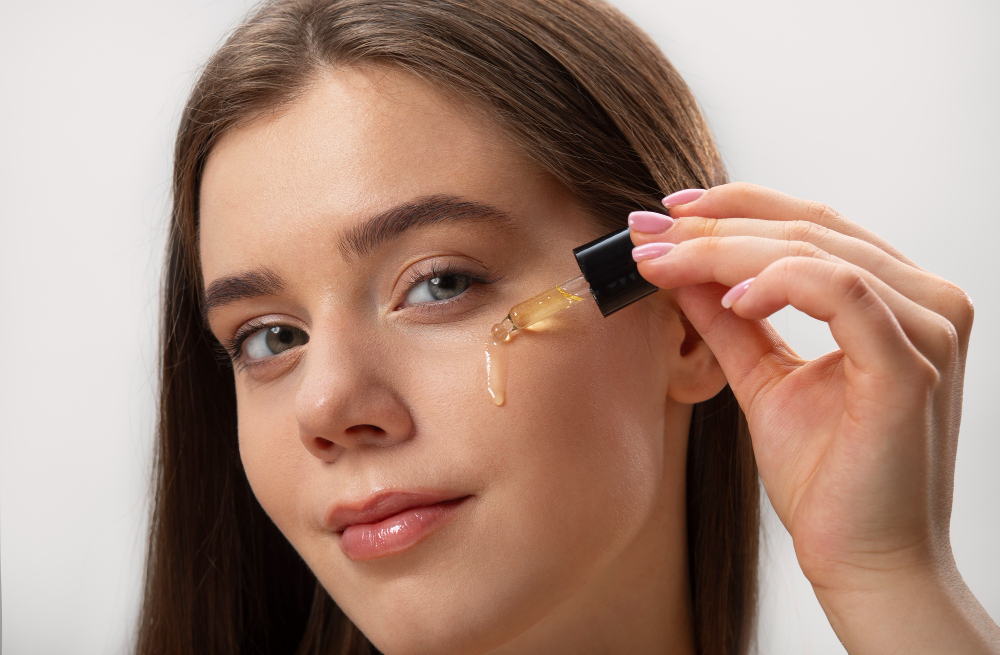
Skin serums have exploded in popularity — and that’s left a lot of people wondering: Do I actually need one? The short answer: it depends. Below I’ll break down what serums do, who benefits most, how to pick and layer them, and when a serum is worth the price.
What is a serum?
A serum is a lightweight, often water- or oil-based formulation packed with concentrated active ingredients. Because serums are thinner than creams, they absorb quickly and deliver powerful actives deeper into the skin. That’s why you’ll see serums marketed for single goals — brightening, anti-aging, acne control, or intense hydration.
Serum vs. moisturizer: what’s the difference?
- Serum: concentrated actives, deep penetration, usually thin texture. Great for targeting specific concerns.
- Moisturizer: thicker, helps seal in hydration, supports the skin barrier, often contains emollients and occlusives your skin needs day-to-day — and sometimes SPF in day products.
Use both together when you have a target concern: serum first, then moisturizer.
Who should (and shouldn't) use serums
- Great candidates: people with targeted concerns (dark spots, fine lines, dullness, dehydrated skin) who want faster results from concentrated ingredients.
- Cautious candidates: those with rosacea, eczema, or very reactive skin may find some actives irritating. Start with low concentrations and patch test.
- Oily skin: you can still use serums — look for water-based, non-comedogenic serums (like hyaluronic acid or niacinamide) or lightweight oil-control serums rather than rich, oily serums.
When a serum is worth the price
A serum is worth buying when:
- You have a persistent concern a moisturizer hasn’t solved (brown spots, fine lines, significant dehydration).
- The serum provides a higher concentration of a proven active (e.g., vitamin C, retinol, prescription-strength actives) so you get results more quickly.
- You pair it properly with a routine (cleanser → serum → moisturizer → SPF in the morning).
How to choose a serum — ingredient quick guide
- Vitamin C: brightens, helps prevent and reduce brown spots; pairs well with antioxidants. (Morning use with SPF recommended.)
- Hyaluronic acid (HA): hydrates by drawing and holding moisture — great for all skin types.
- Niacinamide: reduces redness, minimizes pores, improves barrier function — very versatile and usually gentle.
- Retinol / retinal / bakuchiol: boosts cell turnover and stimulates collagen — best used at night; start slowly.
- Salicylic acid: oil-soluble BHA that helps acne-prone skin and exfoliation.
- Ferulic acid + Vitamin E + Vitamin C combos: stability + antioxidant boost (great for daytime antioxidant defense).
How to layer serums (simple rules)
- Cleanse.
- Apply thinnest → thickest (water-based serums before oil-based).
- Wait a minute for absorption (no need for long waits).
- Lock with a moisturizer.
- Use SPF in the morning — serums don’t replace sunscreen.
Safety tips and troubleshooting
- Patch test new products on the inside of your forearm for 48 hours.
- Start low and slow with retinoids — begin twice a week and increase frequency.
- Avoid incompatible combos (e.g., high-strength AHAs + retinol at the same time unless guided by a pro).
- If irritation occurs, stop the active and consult a dermatologist — there are gentler alternatives or different formulations (e.g., encapsulated retinol, lower concentrations).
Quick routines (examples)
- Daily hydration (all skin types): Hyaluronic acid serum → lightweight moisturizer → SPF.
- Brightening AM routine: Vitamin C serum → moisturizer with SPF.
- Anti-aging PM routine: Retinol serum (start slow) → richer night moisturizer.
Is ferulic acid serum right for you?
Ferulic acid serum is formulated to be gentle and suitable for many skin types, with antioxidant benefits that pair well with daily sunscreen. If you’re unsure whether it’s right for your skin (especially if you have rosacea, eczema, or very oily skin), our team can discuss candidacy and layering tips by phone at 206-787-0784, via our website chat, or through our contact form.
Short FAQ (to add as a boxed section or schema-rich content)
Q: Does a serum replace moisturizer?
A: No — serums target specific concerns; moisturizers protect and hydrate the skin barrier. Use both for best results.
Q: Can oily skin use serums?
A: Yes — choose water-based, non-comedogenic serums (e.g., niacinamide, salicylic acid, lightweight HA).
Q: When should I start using a serum?
A: Start when you notice a persistent concern (early signs of aging, dark spots, chronic dryness). There’s no strict age cutoff.
Q: Can I use multiple serums?
A: You can layer serums, but keep ingredients compatible and introduce new actives slowly.